
October is Breast Cancer Awareness Month
November 6, 2025
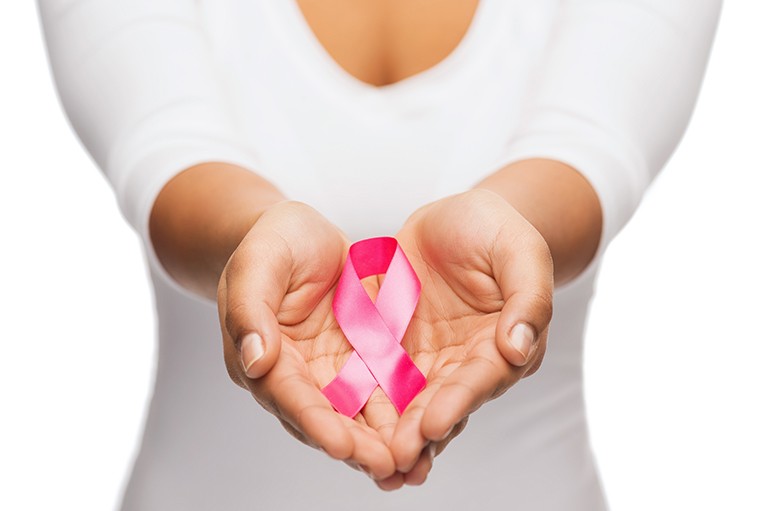
In celebration of October being National Breast Cancer Awareness Month, we would like to take a moment to highlight the importance of breast cancer screening and different measures you can take to take care of yourself. Breast cancer is one of the most prevalent and concerning health issues affecting women worldwide. While factors such as genetics, family history, and age are beyond an individual’s control, emerging research highlights the significant role that lifestyle choices play in both preventing and managing the disease. By adopting healthy habits, the influence of factors like nutrition, exercise, and screening measures can empower women to take proactive steps toward better health.
Physical Activity and Weight Control
Maintaining a healthy weight and staying physical active are foundational. Per the U.S. Centers for Disease Control and Prevention (CDC), women who are not physically active have a higher risk of getting breast cancer1. Regular exercise also helps modulate hormone levels, improve immune function, and reduce insulin resistance – all which may lower breast cancer risks. At home, you can aim for at least 150 minutes of moderate aerobic activity per week. This can include brisk walking, biking, gardening, and swimming. Making movement part of your daily life makes it more sustainable than waiting for “exercise time”.
Diet and Nutrition
The foods and beverages you choose matter. A balanced diet in rich vegetables, fruits, legumes, nuts, and whole grains provide essential vitamins, minerals, fiber, and antioxidants that help protect and support optimal body functions. A good general guide is to favor organic produce whenever possible. When purchasing packaged or processed foods, take some time to read the nutrition label- look for shorter ingredient lists, lower amounts of added sugar and sodium. Incorporating a variety of colorful produce ensures you receive a broad range of nutrients that promote immune health and longevity.
Alcohol and Smoking
It is important to moderate or eliminate higher-risk behaviors. For women, it is generally recommended to limit alcohol intake to one drink or less per day 2. Beyond alcohol, moderation applies to other behaviors that may impact well-being, such as smoking and excessive caffeine consumption. Reducing or eliminating these behaviors supports better physical and mental health and enhances overall quality of life. Making conscious, informed choices about these habits can have great impact on long-term health outcomes and help promote balance, energy, and vitality.
Screening and Awareness
While breast cancer screening cannot prevent the disease, it plays a crucial role in detecting it early when treatment is more effective. The U.S. Preventive Services Task Force recommends that women aged 40 to 74 who are at average risk undergo a mammogram every two years 3. There are two primary types of screening tests: mammograms, which are x-rays of the breast, and breast magnetic resonance imaging (MRI), which is typically used alongside mammograms for women at high risk. These screenings are vital tools in early detection, but there are just a few options available for breast cancer screening. In fact, between 2013 and 2017 in Guam, 54.7% of breast cancer cases were diagnosed at an early stage, highlighting the importance of regular screenings in improving outcomes4.
In conclusion, maintaining a healthy lifestyle through regular physical activity, balanced nutrition, and mindful choices can play a significant role in prevention of breast cancer and overall wellbeing. While screening cannot prevent breast cancer, it remains a vital tool for early detection, increasing the chances of successful treatment. Consistency in these habits can provide a proactive approach to health and disease prevention.
For those currently battling this disease or supporting someone who is there are resources out there to get help and support to fight breast cancer. See the resources below to learn more about fighting and surviving breast cancer. Together, we can create a future where every survivor’s voice is heard and celebrated.